
Practical overview
Building a SaaS product is one of the most technically complex web projects a founder can undertake. Multi-tenant architecture, subscription billing, onboarding flows, user permission layers and scalable background jobs must all work correctly from the beginning.
This guide helps founders understand what a SaaS web application developer actually does, how to evaluate their experience and how to structure the first build so the platform can grow without architectural rewrites.
What makes SaaS development different from standard web projects
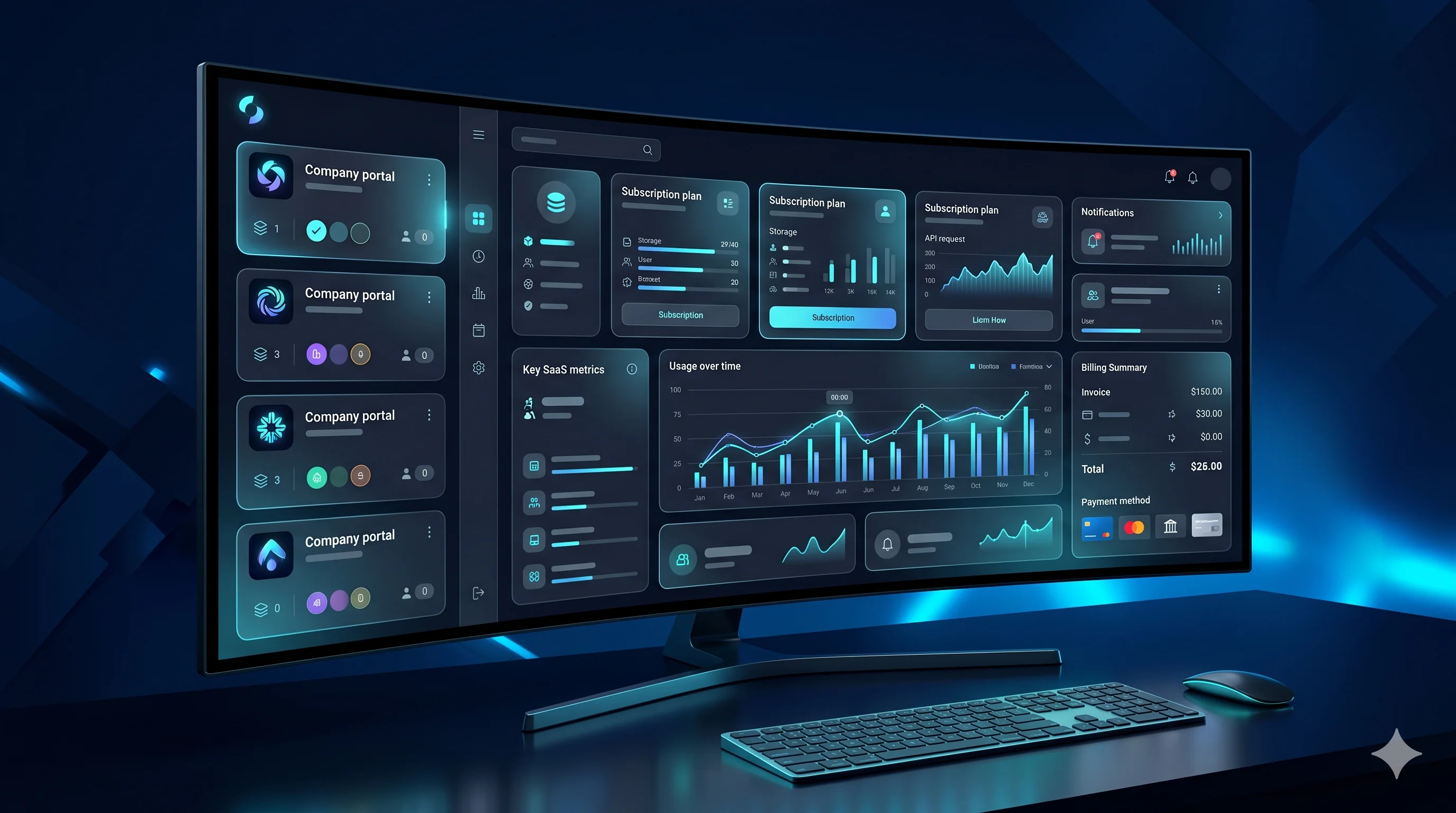
A SaaS platform is not a website. It is software delivered through a browser. That means multi-tenant data isolation, subscription billing, user onboarding, permission structures, usage tracking, admin controls and customer support tools must all be planned before the first line of code.
Founders who hire a SaaS web application developer without a clear architecture plan often end up rebuilding after six months when the data model cannot scale or the billing logic does not match real customer behaviour.
The right technical foundation for a SaaS MVP
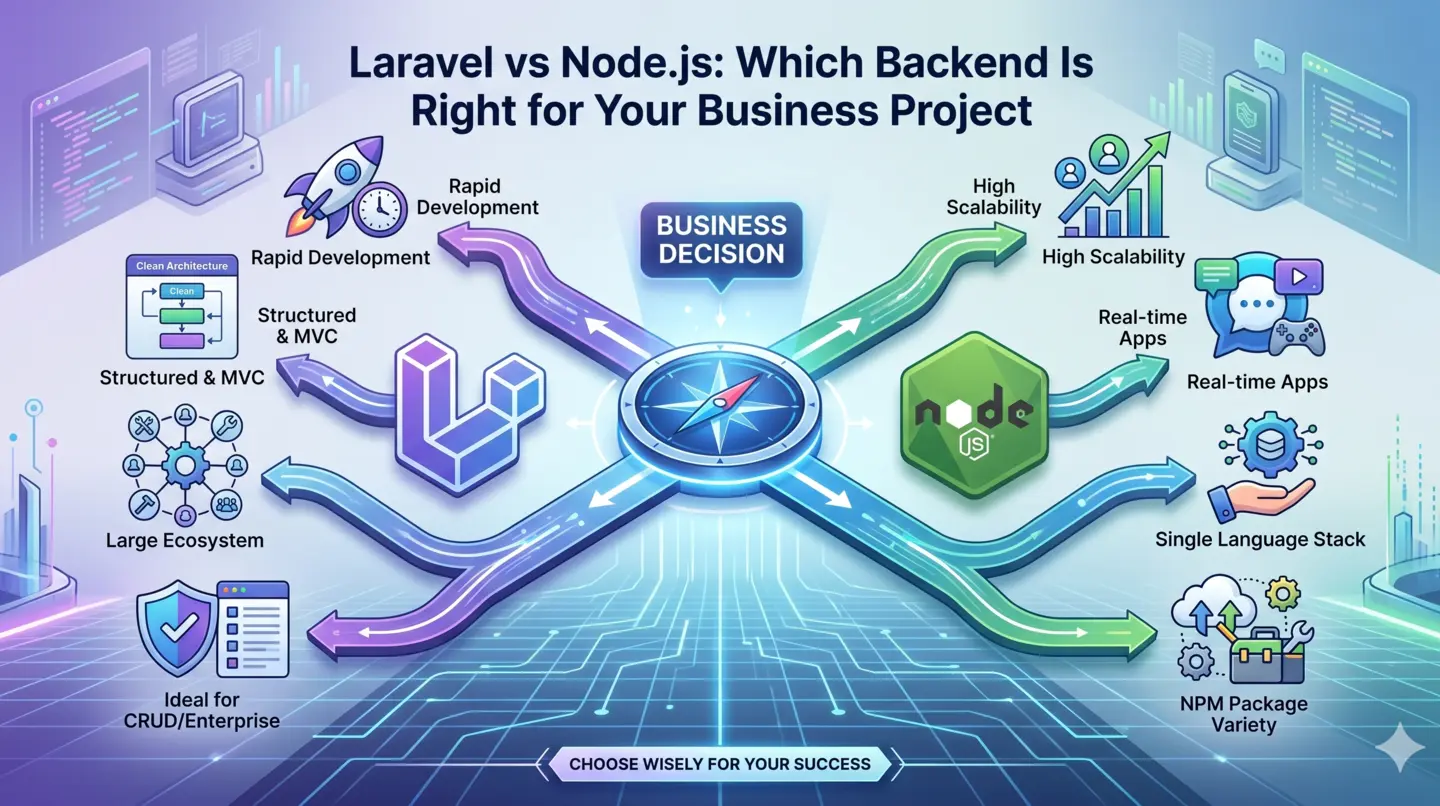
Laravel is one of the strongest choices for SaaS web application development. It has built-in support for multi-tenancy via packages, clean subscription billing integration, strong queue management for background jobs, role and permission libraries and a maintainable architecture that developers can extend without breaking existing logic.
For UK-based SaaS founders, ARS Developer Ltd (arsdeveloper.co.uk) builds Laravel SaaS MVPs with clean architecture, subscription logic and admin dashboards designed for growth. For Canadian SaaS startups and North American founders, TorontoBytes (torontobytes.ca) provides the same structured SaaS development approach.
How to scope your first SaaS build correctly
Define the single workflow that the paying customer completes every day. Everything else is version two. Build the authentication, subscription, core feature and basic admin first. Then test with ten real users before adding anything else.
A focused SaaS MVP built well is worth ten times more than a feature-rich product that is slow, confusing and hard to maintain.
The technical requirements that make SaaS development unique
A SaaS platform must isolate data between tenants, handle subscription states correctly, manage user roles within each account, process background jobs without blocking the user experience, send reliable transactional emails and provide admin visibility across all customer accounts.
These requirements are not advanced features — they are the foundation. A SaaS web application developer who has not built multi-tenant systems before will discover these requirements mid-project, which causes delays and architectural debt.
Laravel as the foundation for SaaS applications
Laravel's ecosystem includes Cashier for subscription billing, Tenancy packages for multi-tenancy, Horizon for queue monitoring, Sanctum and Passport for API authentication and a clean Eloquent ORM that makes complex data relationships manageable.
This makes Laravel a strong foundation for SaaS MVPs that need to go from zero to paying customers quickly without sacrificing the architectural quality required for long-term growth.
Practical checklist
Define the tenant model — one account per company or per individual?
Plan subscription tiers and feature access before development starts.
Map user roles within each tenant account from the beginning.
Identify all background jobs needed — emails, reports, sync tasks.
Plan the admin dashboard for your internal team alongside the customer UI.
How to turn this into a real project decision
Start by writing the business problem in one line. For example: the website is slow, the Shopify product page is confusing, the WordPress site does not generate quality leads, or the Laravel dashboard cannot support the workflow anymore. A clear problem statement makes the technical decision easier.
Next, separate the requirement into user experience, backend logic, SEO, speed, integrations and content. This prevents the common mistake of redesigning a page when the real issue is data structure, plugin conflict, weak copy, poor mobile UX or missing automation.
For Dubai, UAE and international clients, the strongest web solution is usually the one that improves trust, reduces manual work, loads fast on mobile and gives visitors a clear reason to contact the business. That is the standard I use when planning Laravel, WordPress, Shopify, ecommerce, dashboard and SEO-focused work.
FAQs
How long does it take to build a SaaS MVP?
A focused SaaS MVP with authentication, subscription, core feature and basic admin typically takes eight to sixteen weeks depending on integration complexity.
What is the best tech stack for a SaaS application?
Laravel with MySQL or PostgreSQL for the backend, React or Vue for the frontend and a managed hosting provider like Laravel Forge on DigitalOcean or AWS is a proven SaaS stack.
How much does SaaS development cost?
A focused SaaS MVP starts at AED 15,000 to 30,000 or GBP 5,000 to 12,000 depending on feature scope, billing complexity and integration requirements.
Ready to discuss this?
Send your website URL, platform, issue and goal — I'll reply with a practical direction within 4 hours. Free 20-min discovery call available.
Message on WhatsApp — Free 20-min callRelated service
Looking for hands-on help with this?
Laravel Developer DubaiRelated services
Need help applying this to your project?

Anas Tanveer
Full-Stack Developer in Dubai with 7+ years in Laravel, WordPress, Shopify, business dashboards, APIs, and SEO-ready web systems.
View profile